


A professionally designed Human Resource Management System serves as a core driver for sustainable development, particularly for a Foreign Direct Investment (FDI) enterprise. To strengthen workforce connectivity and maximize the potential of employees and staff members, the analysis and design of a Human Resource Management System play an extremely important role. As a manager of an FDI enterprise in Vietnam, do not overlook the essential insights in the Human Resource Management analysis process compiled and shared below by experts from KMC.
What is Human Resource Management System Analysis and Design?
Designing an effective Human Resource Management System is not merely about digitizing recruitment, attendance tracking, or payroll processes. It is a strategic process of Human Resource Management System analysis and design, beginning with a thorough understanding of business objectives, corporate culture, and workforce characteristics.
For FDI enterprises, such a system must simultaneously satisfy three layers of requirements: compliance with the corporation’s global policies, alignment with Vietnamese labor laws, and compatibility with local labor market practices.
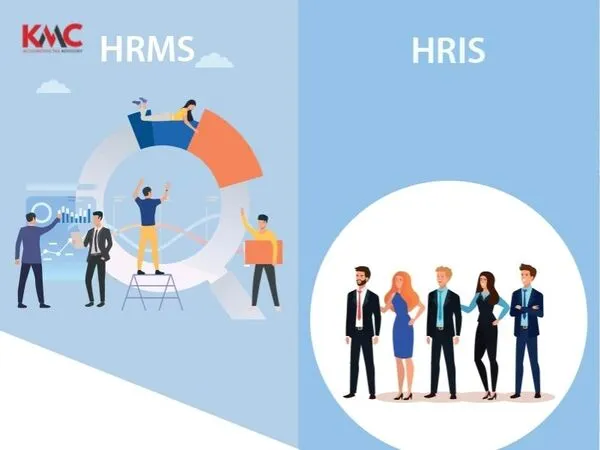
A well-structured Human Resource Management System design typically encompasses the following key pillars:
- Recruitment and onboarding management
- Performance management and career development
- Compensation and benefits management
- Training and competency development
- Human resource data management and strategic reporting
Each module cannot operate independently; they need to be seamlessly integrated to create a smooth and transparent “employee lifecycle,” from the very first day of application through retirement or transition.
Human Resource Management System Analysis and Design Process
To build a robust system, the Human Resource Management System analysis and design process should be implemented systematically and sequentially through the following fundamental steps:
1. Needs Analysis and Current Situation Assessment
The first and most critical step for managers is to analyze and clearly define the “problem” that needs to be addressed. FDI enterprises should answer the following questions:
- Is the employee turnover rate unusually high in any specific department?
- Are approval processes for leave requests and overtime causing bottlenecks?
- Is the performance evaluation process truly fair and aligned with business objectives?
- …
This analysis must be based on actual data and in-depth interviews with stakeholders, ranging from senior management and department managers to employees themselves.
2. Defining System Objectives and Scope
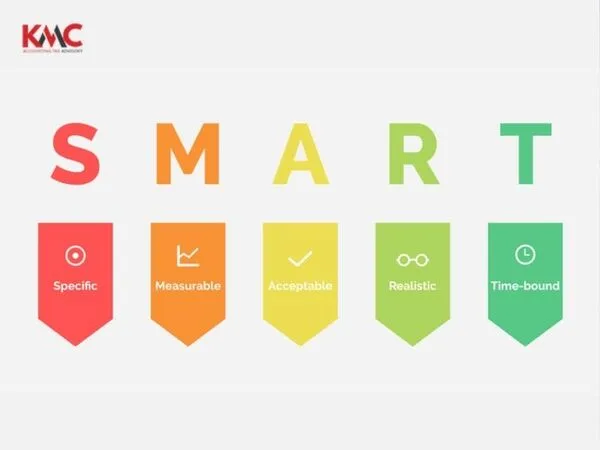
After clearly identifying the requirements, the enterprise needs to establish specific and measurable objectives. Objectives may be defined based on the SMART principle, which consists of five components: Specific, Measurable, Achievable, Realistic, and Time-bound.
For example: “Reduce recruitment processing time by 30% within 6 months” or “Increase the completion rate of mandatory online training courses to 95%.”
The system scope must be clearly defined and properly established: will the system serve all branches in Vietnam, or will it also include report integration with the overseas headquarters?
3. System Architecture and Business Process Design
At this stage, a comprehensive design blueprint for the Human Resource Management System begins to take shape. The system architecture should clearly define functional modules, how they interact with one another, and how they integrate with other systems (such as ERP and financial accounting systems). At the same time, all HR business processes need to be redesigned and optimized systematically.
For example: how will the salary increment approval process be carried out? Who will initiate the proposal, who will approve it, what performance data will be used as supporting criteria, and how will the entire workflow be digitized?
4. Technology and Vendor Selection
Based on the completed Human Resource Management System analysis and design framework, the enterprise moves into the technology platform selection stage.
Key considerations include whether to develop the system internally, purchase an off-the-shelf software package, or adopt a SaaS (Software-as-a-Service) solution. Each option presents its own advantages and disadvantages in terms of cost, implementation time, flexibility, and maintainability.
For FDI enterprises, particularly Japanese companies, factors such as data security, bilingual support capabilities, and the vendor’s understanding of Japanese management culture are critically important.
From Analysis and Design to System Implementation
After completing the theoretical process of Human Resource Management System analysis and design, the enterprise will move into the practical implementation stage of the system — and this is where the real challenge begins.
To effectively deploy the system in practice, enterprises should:
- Implement the system in phases (piloting), as this approach is more effective than deploying the entire system all at once.
• Provide user training (from employees to managers), as this is a key factor determining the success of the implementation.
Note: A system is not static; it should be designed with scalability and flexibility to adapt to the enterprise’s growth and changing market conditions.
Therefore, in order to operate a professional and efficient Human Resource Management System, particularly for FDI enterprises, engaging an experienced team of experts to provide consulting services, ongoing support, and comprehensive guidance is of critical importance. Enterprises should receive consultation and develop tailored solutions specifically designed for their business needs, while ensuring suitability for both the Vietnamese business environment and multinational management models.
Specific Challenges in Human Resource Management System Analysis and Design for Japanese Enterprises
Japanese enterprises investing in Vietnam often bring strong management culture characteristics, requiring HRMS solutions to be specifically customized. Human Resource Management System analysis and design in this context should take into consideration the following factors:
- “Horenso” culture (Report – Inform – Discuss): The system should integrate tools that support detailed reporting processes, work progress tracking, and facilitate continuous interaction between supervisors and subordinates.
- Seniority-based compensation policies and qualitative evaluations: In addition to performance, factors such as attitude, loyalty, and teamwork spirit are often considered. The system should include mechanisms for storing and processing these multidimensional evaluations.
- Strict compliance requirements: From codes of conduct and occupational safety regulations to quality standards, all HR processes must be designed to ensure full compliance. The system should also support internal inspections and audit activities efficiently.
- Language and legal differences: An ideal system should support multiple languages (Japanese – Vietnamese – English) and automatically update changes in Vietnam’s Labor Code to minimize legal risks.
Why Is a Professionally Analyzed and Well-Designed System So Important?

Investing in a professional and effective Human Resource Management System analysis and design process delivers long-term benefits, including:
- Increased workforce productivity: Automating repetitive administrative tasks frees HR departments from routine operations, allowing them to focus on talent development strategies and corporate culture enhancement.
- Improved Employee Experience (EX): A transparent and efficient process, from recruitment to benefits and policy administration, enhances employee satisfaction and engagement- a critical factor in the ongoing competition to retain top talent.
- Data-driven strategic decision-making: The system becomes a centralized data repository, providing analytical reports (HR Analytics) on workforce fluctuations, labor costs, training effectiveness, and more, enabling leadership to make informed decisions based on data.
- Reduced legal and compliance risks: The system can automatically generate alerts and monitor compliance with legal regulations relating to labor contracts, insurance, and Personal Income Tax (PIT).
- Enhanced competitive advantage: In the era of digital transformation, enterprises equipped with modern and intelligent Human Resource Management systems possess greater appeal to young, talented, and dynamic professionals.
Above, KMC has provided detailed and comprehensive guidance on Human Resource Management System analysis and design. In practice, however, the process of analyzing and developing an advanced Human Resource Management System can vary significantly across enterprises. Depending on the industry, operational scale, and existing HR structure, managers may apply suitable adjustments to create a complete system that supports sustainable business growth and improves workforce effectiveness.

If you are a manager of an FDI enterprise in Vietnam seeking in-depth consultation on HR system management solutions or professional Human Resource Management System analysis, please contact KMC’s team of experts for detailed and comprehensive guidance.
For in-depth consultation and expert guidance from KMC, please contact our hotline: 081 489 4789.
