



Given the complexity of accounting entries and applicable regulations, many FDI enterprises have faced and continue to face errors in the preparation of accounting records and the recognition of account balances. The consequences of misstatements in the accounting records of FDI companies are not limited to administrative penalties; they may also trigger prolonged tax audits, erode the confidence of investors, partners, and customers, and even lead to significant legal risks.
How, then, can such errors in accounting records be promptly identified, addressed, and rectified? If you are struggling to find a clear roadmap for correcting errors in the preparation of accounting records for your enterprise, you may require a team of professional experts to analyze, provide guidance, and deliver in-depth solutions to mitigate potential risks. The following article by KMC will provide you with a detailed and comprehensive explanation.
Legal Risks and Personal Liabilities Arising from Misstatements in Accounting Records of FDI Companies
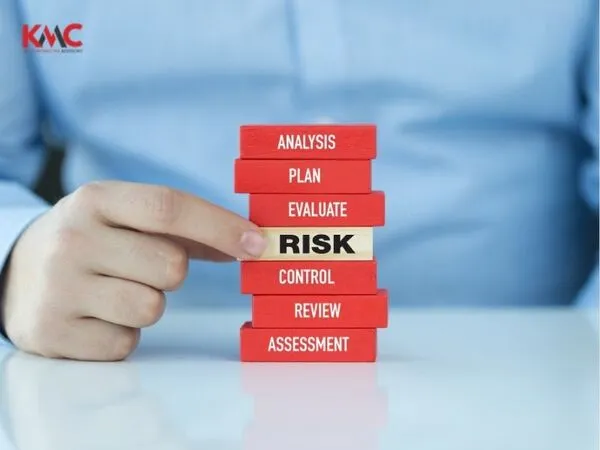
In cases of misstatements in the accounting records of FDI companies, enterprises/individuals may face the following risks:
- Administrative penalties: Fines may be imposed of up to 25% of the underpaid or evaded tax amount, depending on the nature and severity of the violation.
- Criminal liability for Tax Evasion (Article 200 of the 2015 Penal Code, as amended): Where the evaded tax amount reaches the statutory threshold (from VND 100 million or more, or below VND 100 million but with prior administrative penalties for similar violations), the directly responsible individuals (e.g., Chief Accountant, Director) may be subject to monetary fines, non-custodial reform, or imprisonment of up to 7 years.
- Liability for damages: Individuals responsible for material misstatements, whether intentional or due to negligence in violation of regulations, may be required to compensate the company for resulting losses.
- Risks related to work permits and personal reputation: For foreign experts or responsible personnel, such violations may adversely affect legal status and long-term career prospects.
Given their multinational nature, FDI enterprises must exercise heightened diligence and closely monitor each account balance to ensure accuracy from the outset, prevent tax and accounting discrepancies, and maintain full legal compliance.
Process for Handling Misstatements in Accounting Records of FDI Companies
As an accounting professional, upon detecting any errors in accounting records—even minor ones—you should promptly perform verification and corrective procedures.

Below are the specific steps required to address common issues such as errors in revenue, expenses, or value-added tax (VAT):
- Step 1: Identify the exact type of error and the relevant time period: Conduct a comprehensive review of all related documents and accounting records. Classify the error as a technical error, a misunderstanding of Vietnamese or international accounting/tax policies (IFRS), or fraudulent misstatement. Clearly identifying the nature of the error is essential to determine the appropriate corrective actions in subsequent steps.
- Step 2: Prepare internal documentation and record adjustment entries: Document the discovery of the error. Then, based on applicable accounting circulars and standards, record the necessary adjusting journal entries. Ensure that all adjustments are fully supported by explanatory documentation (e.g., internal adjustment minutes, confirmation emails, etc.).
- Step 3: Submit amended or supplementary tax declarations to the tax authority: This is a critical step. Depending on the type of tax (VAT, corporate income tax, personal income tax) and the timing of error detection, you must submit amended or supplementary tax returns in accordance with regulations issued by the General Department of Taxation. It should be noted that voluntary disclosure before a tax audit may result in reduced penalties.
- Step 4: Prepare the explanatory dossier: The documentation package should include: internal minutes, adjusting journal entries, amended tax returns already submitted, relevant source documents, and a detailed explanation of the cause and corrective measures taken.
- Step 5: Engage in communication with the tax authority (if necessary): In cases of significant or complex errors, proactive engagement and explanation to the tax authority in a cooperative manner are essential. At this stage, engaging an experienced tax advisory firm can help develop an optimal explanation strategy to protect the company’s interests.
Strategy for Working with Tax Authorities and Optimizing the Mitigation of Penalty Risks
Once an error is identified, the enterprise should proactively work with the tax authority and promptly report the misstatement in order to minimize potential penalties.

The Law on Tax Administration and its guiding regulations (such as Decree No. 125/2020/ND-CP, as amended and supplemented) clearly provide that penalty levels may be mitigated if the taxpayer voluntarily submits amended declarations and fully pays the outstanding tax liabilities before a tax audit or inspection decision is issued.
Accordingly, upon detecting misstatements in the accounting records of an FDI company, the enterprise should proactively:
- Determine the correct procedure: Identify whether an amended tax return or a supplementary tax declaration is required. Determine the competent tax authority (tax sub-department) for submission and the expected processing timeline. Incorrect handling at this stage may further prolong the issue.
- Prepare a professional explanatory letter: The explanation should clearly state the objective and subjective causes of the error, the corrective measures already implemented, and a commitment to prevent recurrence. The language must be accurate, respectful, and demonstrate a strong spirit of cooperation.
- Authorize the relevant professional department or representative: In many cases, engaging experienced tax professionals or legal advisors to represent the enterprise in dealings with the tax authority is more effective, as they are well-versed in procedural requirements and the technical language used by tax authorities.
Building an Internal Control System – A Solution for Preventing Misstatements in Accounting Records
A single instance of correcting errors in accounting records is often enough for both accounting teams and FDI enterprise management to recognize the critical importance of implementing control and prevention measures from the outset.
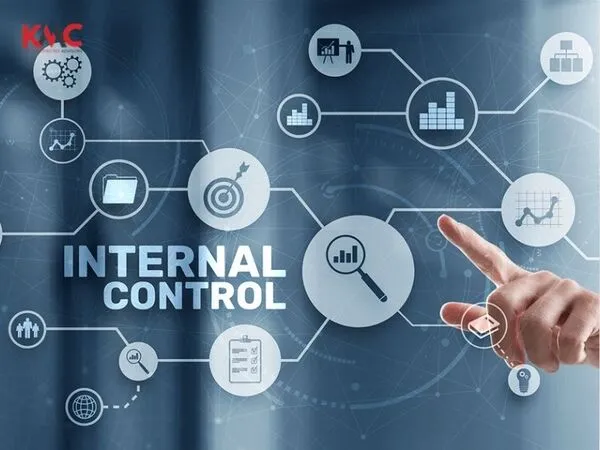
To achieve this effectively, FDI enterprises require an Internal Control system designed specifically for their cross-border operating model.
- Establish clear accounting and financial procedures (SOPs): Fully document all processes from document receipt, bookkeeping, financial reporting, to tax filing. These procedures must integrate both Vietnamese regulatory requirements and the parent company’s group policies.
- Implement a professional ERP accounting system: An ERP system such as SAP, Oracle, or other suitable local solutions helps automate processes, minimize manual errors, and ensure a transparent audit trail.
- Strengthen authorization and access controls: Ensure the principle of segregation of duties. The person preparing accounting records, the reviewer, and the approver must be independent from one another.
- Invest in periodic staff training: FDI accounting personnel must be regularly updated on the latest Vietnamese tax and accounting regulations as well as group-level policy changes. Specialized training in tax accounting for Japanese enterprises is a necessary investment to enhance team capability.
- Conduct internal reviews or engage internal audit services: An independent review function helps identify system weaknesses before they result in actual misstatements.
Advisory services, training, and continuous support for the accounting and finance department are effective ways to build a solid and sustainable foundation.
KMC – A Trusted Partner for Addressing and Preventing Accounting and Tax Risks for FDI Enterprises
Remediation of misstatements in the accounting records of FDI companies requires in-depth knowledge of Vietnamese law, international practices, and practical experience in dealing with tax authorities. Rather than bearing all risks independently, many FDI enterprises, particularly Japanese-invested companies, have turned to KMC as a long-term strategic partner.

KMC is proud to be a professional advisory firm providing tax and accounting solutions for FDI enterprises, especially Japanese-invested companies. We deliver comprehensive services, including:
- Emergency tax and accounting error handling services: Our experienced experts directly assess the situation, develop corrective action plans, prepare explanatory dossiers, and accompany enterprises throughout the entire process of working with competent authorities.
- Consulting on the development and improvement of internal control systems: We assist in establishing a robust internal control framework tailored to industry characteristics and corporate governance culture, transforming accounting and financial processes into decision-support tools rather than sources of risk.
- Full-package tax accounting services and financial BPO: We take over all or part of your accounting and tax reporting functions, leveraging our deep understanding of cultural and legal differences between Vietnam and Japan. This allows you to focus on your core business with complete peace of mind.
Instead of worrying about the risks of misstatements in FDI accounting records, let experienced professionals accompany and comprehensively support you, ensuring compliance and correctness from the outset. Contact our experts today to receive an initial assessment and a clear action plan to protect your company’s assets and reputation.
For consultation from KMC experts, please call our hotline: 081 489 4789.
