


To ensure the rights and obligations of both the enterprise and its employees, the development and implementation of company rules and regulations in a manner that is appropriate and compliant with applicable laws is a critical concern for management teams and human resources departments. In order to provide optimal support to enterprises, particularly FDI enterprises, in establishing, operating, and applying company rules and regulations, KMC’s experts present below key guidance on corporate policies, along with a detailed clarification of the rights and obligations of both employers and employees in the application and compliance with such regulations.
Company Rules and Regulations: Not Merely Paper Documents!
From a legal perspective, internal labor regulations are mandatory documents issued by the enterprise, stipulating in detail workplace conduct, discipline, and order, and must be duly registered with the competent state authorities. Meanwhile, company regulations generally have a broader scope, encompassing policies on recruitment, performance evaluation, compensation and bonuses, employee benefits, and training. For FDI enterprises, particularly Japanese companies, these documents must not only comply with the Vietnam Labor Code but also typically incorporate standards, working culture, and governance principles from the parent company.
For employees, company rules and regulations govern all aspects of their work, including working hours, dress code, information confidentiality, as well as reward and disciplinary policies, promotion procedures, and grievance handling processes. A clear understanding of company regulations and ensuring compliance with such rules and regulations is not only an obligation but also a critical factor for enterprises in assessing employee performance and formulating appropriate strategies for promotion, rewards, and disciplinary actions.
Applicable Legal Regulations Related to Company Rules and Regulations

Currently, applicable laws do not prescribe a specific standard form for internal labor regulations of enterprises. Each enterprise, depending on its actual operational circumstances, shall issue internal labor regulations that are appropriate while ensuring compliance with labor laws and other relevant legal provisions.
However, when promulgating internal labor regulations and company rules and regulations, enterprises must ensure the inclusion of essential contents as stipulated in Clause 2, Article 118 of the Vietnam Labor Code 2019. Specifically:
- Working hours and rest periods;
- Workplace order;
- Occupational safety and hygiene;
- Prevention and handling of sexual harassment in the workplace; procedures and processes for addressing acts of workplace sexual harassment;
- Protection of assets, business secrets, technological secrets, and intellectual property of the employer;
- Cases where employees may be temporarily reassigned to work different from their labor contracts;
- Acts constituting violations of labor discipline and corresponding disciplinary measures;
- Material liability;
- Persons authorized to impose labor disciplinary actions.
Company Rules and Regulations – What Employees Need to Know
As an employee, having a clear understanding of company rules and regulations—especially your rights and obligations—provides significant advantages, enabling you to act proactively in all situations.

Employee Rights Protected under Company Rules and Regulations
A well-structured set of company rules and regulations ensures transparency of all entitlements you are eligible for. Your rights are clearly defined through:
- Compensation, bonuses, and benefits policies: Clearly outlining salary structure, types of bonuses (performance bonuses, project bonuses, year-end bonuses), along with the benefits system (health insurance, periodic medical check-ups, training support, team-building activities).
- Working and rest time: Specific provisions on daily and weekly working hours; break times; public holidays; annual leave; personal leave; sick leave; and maternity leave.
- Occupational safety and hygiene: The right to work in a safe environment, to be provided with adequate protective equipment, and to receive occupational safety training.
- Training and promotion opportunities: Criteria and procedures for employee evaluation and promotion, as well as opportunities to participate in professional development programs.
- Complaint and dispute resolution mechanisms: Clear channels for raising concerns, inquiries, or claims of rights violations, through employee representatives or designated departments.
Obligations and Discipline: Key Provisions Employees Must Strictly Comply With
Alongside rights come obligations. Understanding labor discipline provisions helps you avoid unnecessary risks. Disciplinary measures—ranging from reprimand, deferral of salary increases, to demotion or dismissal—are clearly defined based on the severity of violations. Common violations include:
- Breaches related to working time (late arrival, early departure without permission, unreported absence);
- Violations of occupational safety regulations causing damage to company assets;
- Failure to comply with procedures or management instructions;
- Breaches of confidentiality obligations or engagement in unfair competition;
- Acts of dishonesty or behavior that undermines internal unity.
In addition to optimizing your rights, a fundamental requirement is that employees must fulfill their obligations—strictly complying with company rules and regulations—to avoid violations, mitigate risks, and remain proactive in all situations.
More importantly, both the Vietnam Labor Code and lawful company rules and regulations require that any disciplinary action must be grounded, fair, and follow prescribed procedures, including providing the employee with an opportunity to present explanations.
Distinctive Features of Company Rules and Regulations in Japanese FDI Enterprises

Japanese corporate culture is well known for its strong emphasis on discipline, professionalism, and collective spirit. These characteristics are clearly reflected in company rules and regulations. Below are several notable aspects you may encounter:
- Strict codes of conduct and professional demeanor: From greetings and business card exchanges to punctuality (even arriving earlier than scheduled meetings), as well as adherence to formalities in meetings and clearly defined hierarchical communication.
- Process-oriented approach: All tasks are guided by detailed procedures. Compliance with established processes is regarded as a sign of respect and a means of ensuring quality, rather than a lack of flexibility.
- Overtime and leave policies: Particular attention should be paid to regulations on overtime registration and approval, as well as leave practices. Some companies encourage work-life balance, while others may maintain a culture of extended working hours.
- Information confidentiality and intellectual property: Regulations are typically stringent, reflecting the high importance placed on intellectual property and trade secrets within the corporation.
Understanding and adapting to these distinctive features not only helps prevent violations but also demonstrates professionalism, facilitates integration, and enhances your overall performance evaluation within the organization.
Key Considerations for Effectively Understanding and Complying with Internal Labor Regulations
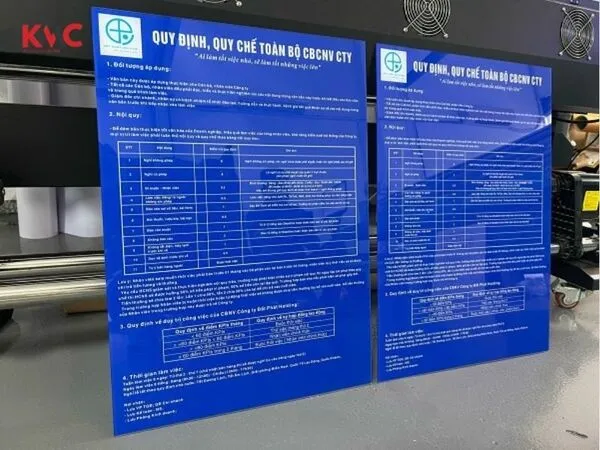
As an employee, especially in an FDI working environment, you need to fully understand company rules and regulations and apply them properly through the following practices:
- Carefully read and store the internal rules upon receipt: Immediately upon joining the company and receiving the internal regulations, take time to study them, especially the sections directly related to your job role and department.
- Proactively ask questions: If any provisions are unclear, do not hesitate to ask your supervisor, the Human Resources (HR) department, or the legal/compliance department. In Japanese companies, asking to fully understand and perform correctly is generally valued more highly than remaining silent and making mistakes.
- Use the regulations as a reference tool: When issues arise related to work, salary, benefits, or disputes, refer back to the internal rules and regulations to understand the specific provisions. This provides a basis for discussion and helps protect your legitimate rights and interests.
- Stay updated on amendments and updates: Company rules and regulations may be revised periodically. Ensure that you are always aware of the latest changes.
Consulting on a Clear and Legally Compliant Internal Labor Regulations Template for FDI Enterprises
For FDI enterprises, establishing a clear, transparent system of company rules and regulations that is aligned with both Vietnamese law and corporate culture is a key factor in attracting and retaining talent, as well as ensuring smooth and efficient operations.
If you are a foreign investor preparing to expand into the Vietnamese market, or an established FDI enterprise seeking to optimize your internal labor regulations but facing challenges in achieving a delicate balance between rules, rights, obligations, and legal compliance, please contact KMC immediately – a company specializing in providing professional consulting solutions for FDI enterprises, including tax – accounting – finance – and human resources services.
With extensive experience and a team of experts and lawyers who have in-depth understanding of the latest regulations and legal frameworks related to investment, corporate establishment, and labor matters, we not only help enterprises build a solid legal foundation but also advise on making these regulations more practical, understandable, and well-received by employees. This contributes to creating a fair and efficient working environment for all parties.
Developing a complete and well-structured system of company rules and regulations brings optimal advantages to enterprises, ensuring the rights and obligations of employees while maintaining full compliance with the latest legal requirements.
For professional consultation from experts, please contact KMC via hotline: 081 489 4789.
